




How Ratchet Tie-Down Straps Work
Ratchet straps are an essential tool for anyone who needs to secure cargo during transport, whether you’re moving furniture, vehicles, ATVs, motorcycles, trees, or other large items. This article explains how a ratchet strap works, including its main components and the mechanism that secures your cargo. In this guide, we'll cover the components, operation, and safe use of ratchet straps for anyone who needs to secure cargo during transport. Understanding how to properly use ratchet straps is crucial for safety and effective cargo transport, helping to prevent accidents, damage, and loss during transit.
The Scope of This Guide
This guide is designed for people transporting cargo—whether you’re a DIY mover, professional hauler, or outdoor enthusiast. We’ll explain the main components of a ratchet strap, how the ratcheting mechanism works, and best practices for safe and effective use.
What to Consider When Choosing a Ratchet Strap
When selecting a ratchet strap, keep the following considerations in mind:
-
Break strength
-
Working load limit
-
Size
-
Length
The length of the strap should match the size and shape of your cargo for effective securing. The shape of the load can also influence the number and type of straps needed to keep everything secure. Once you have all of these things figured out and have your ratchet straps, then you will be ready to put them to use. You may be wondering not only how to use your straps, but also how they work.
The Webbing Material

The polyester webbing that most straps are made of is usually weather resistant and extremely strong. However, you may eventually experience some sort of wear with your strap. Before each use, always inspect the webbing for any damage, wear, or defects to ensure safety and proper load securing. Once you notice any damage with your strap, it is important to either get it repaired or replaced so you are able to still use it effectively. If wear and tear is something that worries you when purchasing your straps, consider purchasing Rhino USA’s Ratchet Tie-Down Straps, which come with an Unlimited Lifetime Warranty.
As you consider the durability of the webbing, it’s also important to understand the strength ratings of your ratchet strap.
Break Strength and Load Limit

MUST READ: How To Release a Ratchet Strap
The breaking strength of your ratchet strap is the amount of weight and/or stress that your strap can withstand before rupturing. This is an important factor to consider because using a strap with a low breaking strength for your needs will be ineffective. The working load limit is about ⅓ of the breaking strength of the strap. This accounts for the movement that happens during use. It is important to remember that the working load limit of the items that you are securing must be at least ½ of the total weight. For example, if you are moving something that is 6,000 lbs, your working load limit must be at least 3,000 lbs. Before you decide that is not necessary, this is enforced by the Department of Transportation and citations vary by each state. There are also specific rules and industry standards regarding the use of ratchet straps, including requirements for load capacity and material safety, to ensure compliance and safe transport.
Key considerations:
-
Breaking strength: Maximum force the strap can withstand before breaking.
-
Working load limit: Safe maximum load, typically about ⅓ of the breaking strength.
-
Compliance: Ensure your straps meet Department of Transportation and industry standards.
Now that you understand the importance of choosing the right strap, let's look at how the ratcheting mechanism actually works.
Understanding the Ratcheting Mechanism
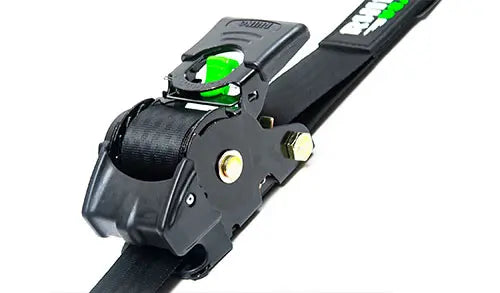
Ratchet straps consist of a length of webbing, a ratcheting mechanism, and hooks for attaching the strap to a secure anchor point. The ratcheting mechanism is the core of a ratchet cargo strap, employing a pawl and gear system to allow tightening while preventing back-rotation, locking the strap in place for secure transport. The mechanism uses interlocking gears that tighten the strap and lock it in place.
How the Ratcheting Mechanism Works
At its core, the ratchet mechanism uses a simple but effective design: as you pull the strap through the ratcheting part and operate the handle, the mechanism tightens the webbing around your load, locking it securely in place. This allows you to apply just the right amount of tension to secure heavy loads of all shapes and sizes.
The gear and pawl system allows the mandrel to rotate in one direction for winding the webbing as the handle is pumped. The mandrel (the mandrel is a rotating spool with a center slot where the strap is threaded) is central to this process, as it winds up the strap and holds it under tension.
Summary: The ratcheting mechanism is the core of a ratchet cargo strap. It employs a pawl and gear system to allow tightening while preventing back-rotation, locking the strap in place for secure transport.
Threading the Strap
To use a ratchet strap the proper way, start by threading the strap through the ratcheting mechanism, making sure the webbing lies flat and free of twists. Attach the hook to a stable anchor point on your vehicle or trailer, then pull the strap until it’s snug around your cargo.
Tightening the Strap
Begin tightening by pumping the ratchet handle—this action pulls the strap tighter with each motion, increasing tension and security. Be careful not to over tighten; too much force can damage both the strap and your cargo. The goal is a firm, secure hold with just enough slack to account for vibrations and movement during transit.
Locking and Releasing the Mechanism
A key feature of every ratchet strap is the release lever. When you reach your destination or need to adjust the strap, simply pull the release lever to unlock the ratchet mechanism and loosen the webbing. This makes unloading quick and hassle-free, without the worry of tangled or jammed straps.
Regular inspection is important for the life and safety of your ratchet straps. Before each use, check the webbing for frayed edges, cuts, or signs of wear, and make sure the ratchet mechanism and hook are free from rust or damage. If you spot any issues, replace the strap immediately to avoid accidents or cargo loss.
Different cargo sizes and shapes may require different ratchet strap configurations. For especially heavy or awkward loads, consider using multiple straps or a more heavy-duty ratchet mechanism to ensure maximum security. Always follow the manufacturer’s guidelines for your specific ratchet strap, and take the time to learn the proper way to use and maintain it.
By understanding how the ratcheting mechanism works and following these tips, you can transport your goods with confidence, knowing they’re secure and protected every step of the way. Remember: a well-maintained ratchet strap is your best defense against accidents, damage, and unexpected surprises on the road.
If you are someone who doesn’t want to deal with threading ratchet straps and additional slack, we highly recommend our retractable ratchet straps!
Now that you know how the ratcheting mechanism works, let’s walk through the step-by-step process of using ratchet tie-down straps.
Using Ratchet Tie-Down Straps

Using a ratchet strap involves several key steps: threading the strap, tightening it, locking the mechanism, releasing the strap, and proper storage. Follow these steps for safe and effective cargo securing.
Threading the Strap
-
Open the ratchet by pulling the release catch so the handle is fully open with the wheels facing upward.
-
Take the adjustable end of the strap and push it through the mandrel (the mandrel is a rotating spool with a center slot where the strap is threaded).
-
Pull the strap through so it overlaps the strap on the other side and feels firm.
Tightening the Strap
-
Before using the ratchet mechanism, tighten the strap by hand to remove slack.
-
Attach the hooks or end fittings to secure anchor points around your cargo.
-
For added stability, consider adding a single half twist in the strap to help reduce wind vibrations during transport.
-
Make sure to use proper windings to maintain tension and prevent loosening.
Locking the Mechanism
-
Begin tightening by pumping the ratchet handle. This action pulls the strap tighter with each motion.
-
Once the strap is tight, flip the ratchet into the closed position and ensure it is fully closed. You should hear a clicking sound as confirmation that the ratchet is locked and the strap is securely fastened.
-
Always double-check that the strap is properly secured to prevent your cargo from falling or slipping.
Releasing the Strap
-
Your ratchet should have a release tab that will easily release the lock and ratchet.
-
Pull the release lever to unlock the ratchet mechanism and loosen the webbing.
-
Retrieve the strap that you previously threaded.
Storage
-
Fold and store your ratchet strap pieces together in a dry place to maximize their lifespan.
-
If you are missing a piece of your ratchet strap, do not use it, as it could be potentially dangerous to you, others, or other vehicles.
Featured Product: Rhino USA HD Ratchet Tie Down Straps
With these steps, you’re ready to secure your cargo safely and efficiently. Next, let’s address some common questions about ratchet straps.
Ratchet Strap FAQ's

Can I use ratchet tie down straps to secure a motorcycle or ATV?
Yes, you can use ratchet tie down straps to secure a motorcycle or ATV. We recommend following these steps to ensure you secure your motorcycle or ATV safely and effectively:
-
Ensure your straps are in good condition and have an adequate weight capacity.
-
Position your motorcycle securely on the trailer or truck bed.
-
Use soft loops or protective accessories to prevent any damage to your motorcycle's finish.
-
Loop the tie down straps around your motorcycle and secure them to anchor points.
-
Gradually tighten the straps using the ratcheting mechanism, applying even tension.
-
Periodically check the straps during your journey to ensure they remain tight and secure.
-
Secure any loose strap ends to prevent them from causing hazards on the road.
Using these 7 easy steps will prevent your motorcycle or ATV from moving around during transport and protect your vehicle's finish.
How to tie down a motorcycle with ratchet straps
Securing a motorcycle with ratchet straps is essential for safe transportation. Here's a step-by-step guide on how to do it properly:
You will need:
-
A set of ratchet tie down straps (with adequate weight capacity)
-
Soft loops or protective accessories (optional but recommended to prevent damage to your motorcycle)
Steps:
-
Position Your Motorcycle: Park your motorcycle on the trailer or truck bed, ensuring it is properly aligned and centered.
-
Prepare Soft Loops (if used): If you're using soft loops, attach them to the motorcycle's handlebars, frame, or other sturdy parts. These loops will provide a secure and cushioned anchor point for the straps.
-
Attach the Straps: Loop the ratchet tie down straps around your motorcycle. Pass them over the soft loops or, if not using soft loops, secure them around the handlebars or the frame near the front and rear.
-
Anchor Points: Find suitable anchor points on your trailer or truck bed where you can attach the straps. Make sure to distribute the straps evenly to prevent imbalances.
-
Ratchet Tight: Use the ratcheting mechanism on the straps to gradually tighten them. Begin with gentle tension and then increase it gradually. Apply even pressure on both straps to ensure that the motorcycle is secured evenly.
-
Check and Recheck: Periodically check the straps during your journey to confirm that they remain tight and secure.
-
Secure Loose Ends: After tightening the straps, secure any loose strap ends by tying them up or using Velcro straps.
-
Final Inspection: Before hitting the road, do a final visual inspection to ensure that your motorcycle is securely fastened and that the straps and anchor points are in good condition.
And that's it! Your motorcycle should be securely fastened for transport simply using motorcycle ratchet tie down straps and soft loops!
- Choosing a selection results in a full page refresh.